handmade success
10 Best Books for Etsy Sellers in 2026 — Pricing, Finance and Mindset
The best books for Etsy sellers in 2026, covering pricing, finance, and the mindset shifts that separate thriving shops from stalled ones.
If you’ve spent any time in Etsy seller forums, you’ve probably noticed the advice is everywhere: often conflicting, sometimes outdated, and occasionally just plain wrong for handmade businesses.
That’s why we put this list together. These are books that actually matter for running a craft business: the ones that change how you think about pricing, help you stop drowning in admin, and give you the business backbone that most makers figure out too late. Updated April 2026.
The best books for Etsy sellers cover three areas: platform mechanics (how to run an Etsy shop), business finance (pricing, profit, COGS), and creative mindset (dealing with blocks, fear, and self-doubt).
How to use this list: Start with the Etsy Seller Handbook (it’s free). Add one business book. Etsypreneurship or Profit First are the two most useful. Pick up a mindset book whenever creative blocks hit. You don’t need all ten at once.
Quick navigation:
- Etsy Seller Handbook (free, platform-specific, essential)
- The Ultimate Guide to Selling on Etsy (practical, real-seller experience)
- Etsypreneurship (business fundamentals for makers)
- Profit First (finance framework for staying profitable)
- Creative, Inc. (running a creative business)
- Map Your Business (marketing that fits handmade)
- Big Magic (creative confidence)
- You Are a Badass (overcoming self-doubt)
- The War of Art (beating resistance)
- The Life-Changing Magic of Tidying Up (workspace clarity)
Need to get your raw material and product inventory under control?
Try Craftybase - the inventory and manufacturing solution for DTC sellers. Track raw materials and product stock levels (in real time!), COGS, shop floor assignment and much more.
It's your new production central.
1. The Etsy Seller Handbook by Etsy
This one’s free, which makes it the easiest call on the list. Written by Etsy themselves, the Seller Handbook covers everything from photography and SEO to listing optimisation and marketing. Because it comes directly from the platform, you know you’re getting current, accurate guidance. Not third-hand tips from 2019.
“It’s not a book, but the Etsy Seller Handbook has everything you need to know to get started…I love that it’s blog-styled and separated into clear categories so you can quickly find an article on whatever topic you’re thinking about.” — parrotpartylindsey on Reddit
Bookmark it. Search it when you hit a specific problem. The SEO section alone is worth your time. If you want to go deeper on that, our guide to what is SEO on Etsy is a good companion read.
2. The Ultimate Guide to Selling on Etsy by Noelle Ihli and Jeanne Allen
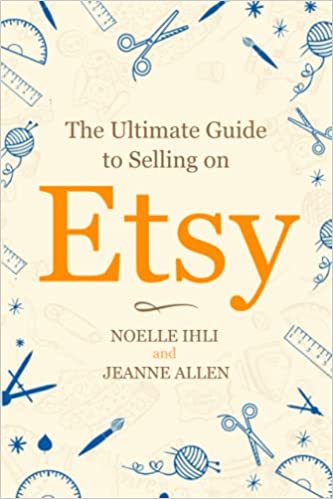
Written by two sellers who built a six-figure Etsy shop, this one is notably more practical than the typical “start your dream business” fare. Photography tips, traffic strategies, pricing. It covers the mechanics of running a real shop, not just the theory.
What makes it stand out is that Ihli and Allen write from experience, not from observation. That shows. The advice is specific, actionable, and grounded in what actually works on the platform right now.
3. Etsypreneurship by Jason Malinak

Malinak sold on Etsy himself before writing this book, which gives it a texture that most business guides lack. He covers marketing, social media, and product photography, but he also spends real time on the business fundamentals: the parts that trip up creative sellers most.
His section on pricing is particularly worth reading. Many makers underprice because they’re not accounting for all their costs. If you want to explore that further, our guide on Etsy pricing hacks goes into the numbers side in more depth.
4. Profit First by Mike Michalowicz
New to this list in 2026. Not technically an Etsy book, but probably the most important financial read on this list for any maker who isn’t sure where their money actually goes.
Michalowicz’s core argument is simple: most small business owners manage cash flow backwards. They pay expenses first and hope something’s left over for profit. Profit First flips that around. You allocate profit first, then run the business on what remains.
For Etsy sellers who feel perpetually busy but never quite profitable, this reframe is genuinely useful. It works especially well alongside proper cost tracking. Once you know your real COGS and material costs, you can actually make Michalowicz’s system work. Pair with our guide on Etsy bookkeeping if you want the full picture.
5. Creative, Inc. by Joy Deangdeelert Cho and Meg Mateo Ilasco
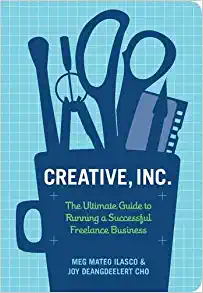
A practical guide to running a creative business, covering everything from writing a business plan to pricing your work competitively. The authors are designers who’ve been through the freelance grind, and it shows. They don’t sugarcoat the tough parts.
The section on handling rejection and criticism is worth reading on its own. Running an Etsy shop means putting your handmade work in front of strangers who may or may not get it. Having a mental framework for that before it happens is underrated.
6. Map Your Business by Tara Swiger

Swiger ran a yarn business on Etsy before pivoting to teaching other makers how to market theirs. That background makes this book unusually relevant. She focuses on inbound marketing, building relationships with customers rather than interrupting them with ads, and her approach fits the handmade market particularly well.
The book is especially good for makers who feel like marketing is somehow at odds with making. Swiger makes a compelling case that it doesn’t have to be.
7. Big Magic: Creative Living Beyond Fear by Elizabeth Gilbert
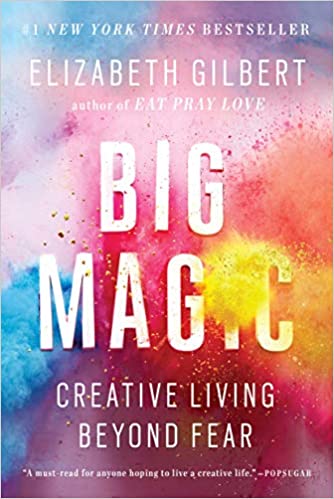
Elizabeth Gilbert’s exploration of the creative process has resonated with makers far beyond her core audience. The central argument is that creativity is separate from you, not a fixed trait you either have or don’t. That reframe takes real pressure off.
It’s not a business book in the conventional sense, but it addresses something that holds a lot of Etsy sellers back: the fear that their work isn’t good enough, original enough, or prolific enough to justify a real business. Worth reading before you talk yourself out of something.
8. You Are a Badass by Jen Sincero

Sincero’s book has become something of a modern classic in the self-development space, and for good reason. It covers overcoming self-doubt and moving from intentions to actual action. Those skills matter a lot when you’re the only person responsible for growing your shop.
Sellers who’ve read it tend to mention the same thing: it doesn’t just tell you to believe in yourself, it walks you through why you probably don’t, and what to do about it. That’s a more useful distinction than most books in this genre make.
9. The War of Art by Steven Pressfield
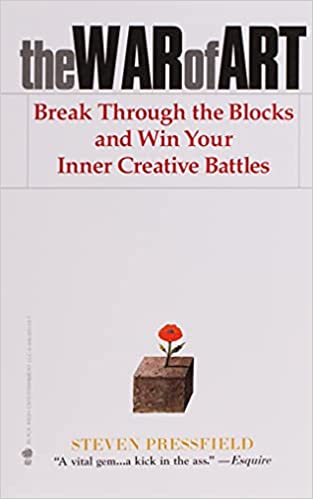
Pressfield calls the internal resistance that stops creative people from doing their best work “Resistance” (capital R), and he’s been writing about it for decades. If you’ve ever sat down to work on your Etsy shop and found yourself doing literally anything else instead, this book names what’s happening.
Short, direct, no filler. You can read it in an afternoon. Most people who do say they return to it regularly.
10. The Life-Changing Magic of Tidying Up by Marie Kondō
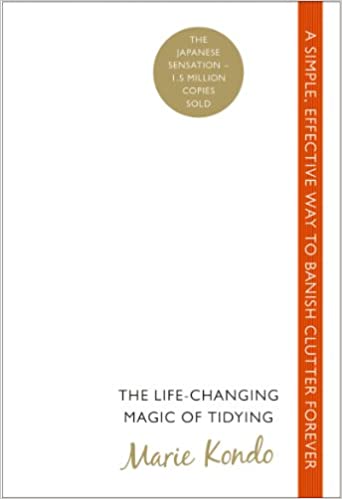
Hear me out. Kondō’s method isn’t just about your wardrobe. For Etsy sellers who work from home, a cluttered workspace is a productivity killer. Materials piled everywhere, half-finished orders on every surface, no system for knowing what you have in stock. Sound familiar?
The KonMari approach to physical space translates directly into making your workspace (and by extension your workflow) actually functional. If you’re drowning in inventory chaos, our guide on how much inventory to start with on Etsy is a good follow-up once you’ve sorted out what you actually have.
Tools That Work Alongside These Books
Books give you the frameworks. Software helps you actually run the numbers.
Most of what these authors talk about (knowing your costs, pricing for profit, tracking what you have in stock) requires real data to execute. And that’s where spreadsheets tend to fall short, especially once your shop picks up volume.
If you’ve read Profit First and want to put it into practice, there’s one thing you need first: your actual COGS. Michalowicz’s system works beautifully once you can see exactly what each product costs you to make. But if you’re working off gut feel or rough estimates, the percentages won’t land right.
Craftybase is built specifically for Etsy sellers who make their own products. It gives you the numbers Profit First needs to work:
- Recipe costing and COGS: calculate exactly what each product costs you to make, including materials, labour, and overhead. No spreadsheet gymnastics.
- Material and product inventory: know exactly what you have on hand without counting shelves
- Etsy order sync: orders pull in automatically, so your data stays current
- Tax-time reports: Schedule C, COGS, and expense summaries ready when you need them
You can start a free trial here. No credit card required.
For more on connecting your tools, see our Etsy accounting software page, or if you sell on both Etsy and Shopify, how to sync Etsy and Shopify inventory is worth a read.
Frequently Asked Questions
What's the best book for someone just starting out on Etsy?
Start with the free Etsy Seller Handbook. It covers the platform specifics you need from day one, including SEO, shipping, and listing best practices. Once your shop is live, Etsypreneurship by Jason Malinak is the most practical paid option for new handmade sellers, covering the business side of things in plain language.
Are there any books specifically about pricing handmade products?
Not many books tackle handmade pricing directly, but Profit First by Mike Michalowicz is the closest thing to a framework for makers who want to price sustainably rather than just matching competitors. Map Your Business by Tara Swiger also covers pricing for creative businesses with more nuance than most general business books. Both pair well with tracking your actual material costs in a tool like Craftybase.
What tools do Etsy sellers use alongside these books to manage their business?
The most common stack for serious Etsy sellers includes: an accounting tool for bookkeeping (QuickBooks or Wave), an inventory and manufacturing tracker for COGS and material costs (Craftybase integrates directly with Etsy), and the Etsy Seller Handbook as an ongoing reference. The books in this list give you the strategy. Software helps you actually execute it with real data rather than guesswork.
What's the best book about mindset for creative entrepreneurs in 2026?
For pure mindset, The War of Art by Steven Pressfield is the one most makers return to again and again. It's short, direct, and cuts straight to the internal resistance that stops creative people from doing their best work. Big Magic by Elizabeth Gilbert covers similar ground but with a warmer, more reflective tone. It's especially useful for sellers who struggle with creative blocks or imposter syndrome.
Do I need to read all of these books before starting my Etsy shop?
No. Waiting until you've read everything is just another form of procrastination. Start with the Etsy Seller Handbook and one practical business book (Etsypreneurship or The Ultimate Guide to Selling on Etsy). Then add Profit First once you have some sales coming in and want to think more carefully about where the money goes. The mindset books are useful at any stage.